

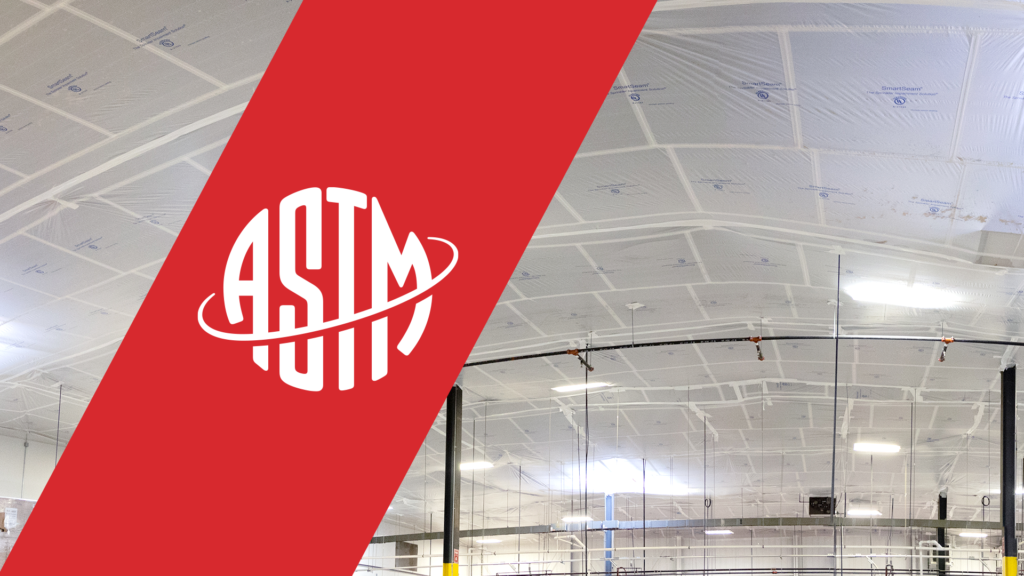
In 2026, ASTM published D8662/D8662M-26, Standard Specification for Plastic Temporary Ceiling Construction Barriers for Installation Below Automatic Sprinklers. The standard specifically addresses temporary plastic ceiling barriers installed beneath automatic sprinklers during construction or renovation.
According to ASTM, these barriers are intended to protect workers, occupants, and equipment from dust and light debris while allowing business operations to continue. The specification addresses sprinkler compatibility, static air pressure, durability, fire performance, stability, and installation.
This is a significant development for the temporary containment industry because there is now a dedicated ASTM specification for a product category that has historically been handled with a wide variety of temporary solutions.
Where TuffWrap Fits In
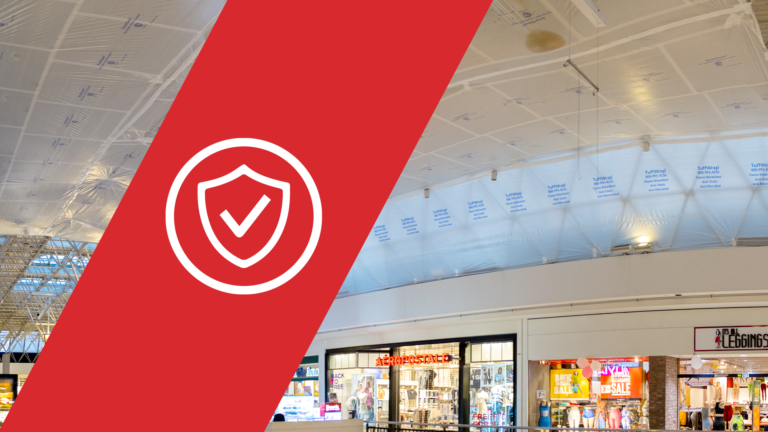
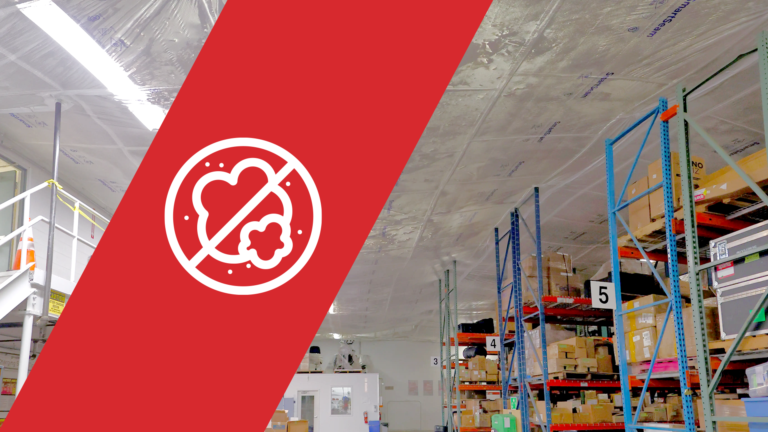
TuffWrap builds its containment systems around the needs of active facilities that can’t simply shut down during construction. They are designed to contain dust and debris while construction, renovation, maintenance, and reroofing work continues.
SmartSeam Suspended Cover
For overhead construction, SmartSeam creates a temporary ceiling barrier between the construction area and the active facility below.
It contains dust and debris while incorporating heat-reactive seams that allow the panels to open in the event of a fire, avoiding interference with automatic sprinkler operation. SmartSeam is FM Approved and supported by additional compliance and testing credentials including IBC EC 043, UL 723S, NFPA 13, and ASTM E84 Class A.
SmartSeam is certified to the requirements of the new ASTM D8662/D8662M-26 standard.
Standards Matter. So Does the System Behind Them.
ASTM Standard for Temporary Ceiling Barriers give the construction industry a consistent framework for evaluating materials and performance. But the standard itself is only part of the equation. The product, testing, installation, and intended application all matter.
TuffWrap focuses on engineered containment systems rather than one-size-fits-all temporary barriers. Whether you’re protecting a production line during renovation, containing dust during a reroofing project, or separating a construction zone from an occupied facility, TuffWrap has a solution designed around the demands of each active environment.
Keep Construction Moving. Keep Operations Protected.
From SmartSeam Suspended Covers to Frameless Walls, Hybrid Walls, Industrial Hybrid Walls, Total Enclosures, and Construction Doors, TuffWrap helps contractors contain construction without interrupting the facility around it.
When your facility can’t afford downtime, choose containment built around performance, not guesswork.